Disabilities Reimagined
Disability-informed audits, education & training that improve accessibility & client outcomes
NeoBilities helps helping professionals, nonprofits, and organizations reduce barriers and strengthen disability-informed practice through practical accessibility audits, training, and consulting.
Free 2-minute quiz · no sign-up · instant score

TRUSTED BY ORGANIZATIONS ACROSS TEXAS & BEYOND


— THE HIDDEN GAP
1 in 4
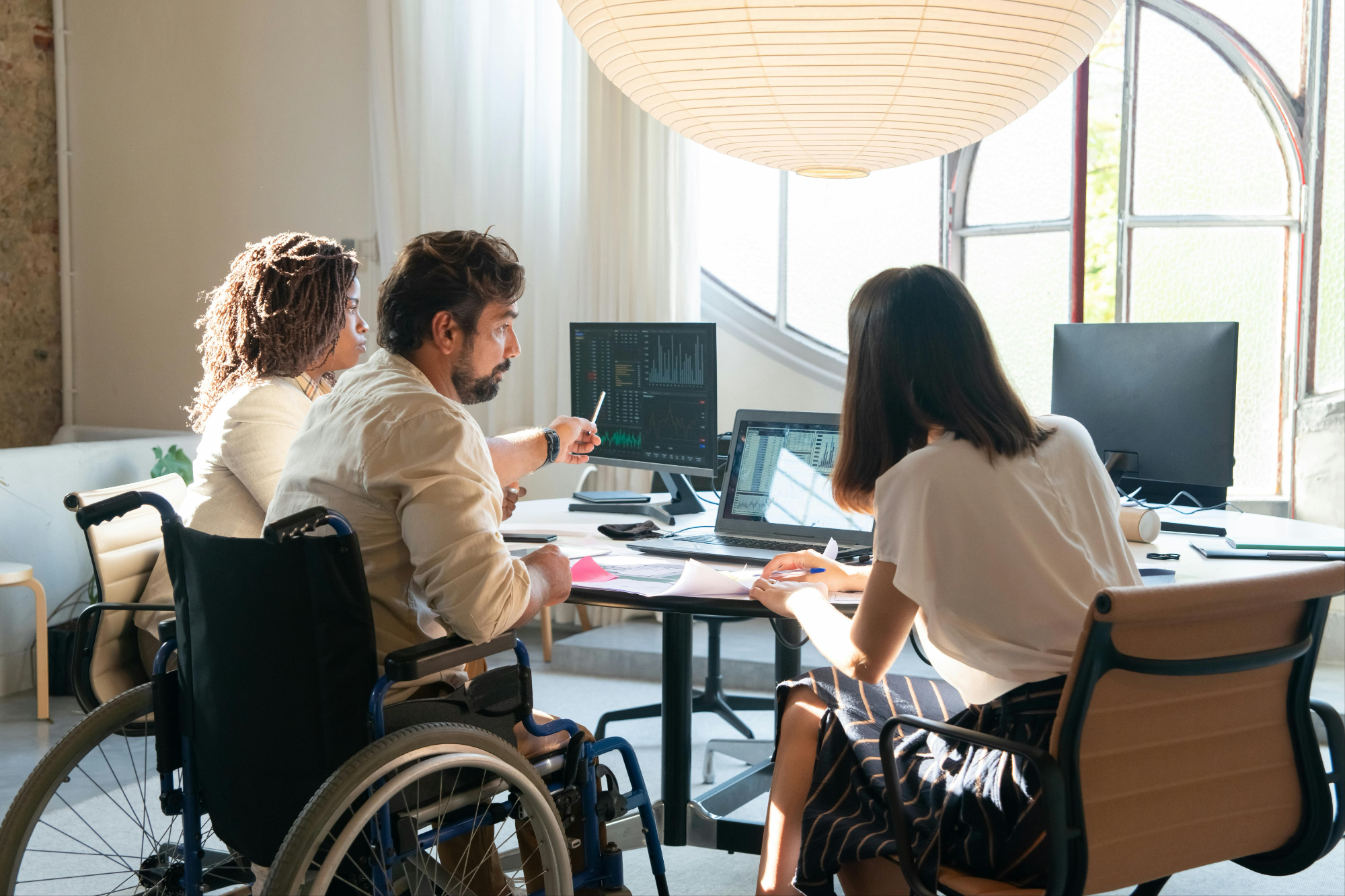
You may be excluding people without realizing it
Think you don’t serve disabled people? You already do — whether they disclose or not.
Many professionals assume accessibility only matters when someone requests an accommodation or has a visible disability. In reality, disabled people interact with your services, communication, and systems every day, including many with non-apparent disabilities.
When barriers go unrecognized, they quietly affect service quality, client outcomes, participation, communication, staff confidence, and trust.

01 · RECOGNIZE
Identify barriers you didn’t know existed
Surface the clients you’re already missing
- Discover the disabled clients you already have (but don’t know about)
- Understand why people aren’t disclosing their disabilities
- Learn what barriers you’re unknowingly creating
02 · INCLUDE
Create environments where everyone thrives
Small changes, outsized impact
- Implement simple changes with massive impact
- Build truly welcoming spaces for all
- Improve communication and service delivery

03 · IMPROVE
Enhance outcomes and satisfaction for all clients
Better results, measurable gains
- Increase client retention and satisfaction
- Strengthen professional competency
- Demonstrate ethical leadership
— RETHINKING ASSUMPTIONS
Common myths about accessibility and disability
MythWe don't really serve disabled people.
RealityYou already do, whether people disclose or not. Many disabilities are non-apparent, and people may not identify themselves unless they feel safe, welcomed, and supported.
MythAccessibility is only about compliance.
RealityAccessibility also affects service delivery, communication, participation, staff readiness, and the overall experience people have with your organization.
Myth We’ll deal with accessibility if someone asks.
RealityReactive problem-solving often leads to inconsistent experiences, staff uncertainty, and missed opportunities to create better systems from the start. It also tends to increase costs and risks because teams are constantly scrambling to fix individual problems rather than addressing the underlying barriers.
MythAccessibility only helps a small number of people.
RealityMore accessible systems often improve clarity, usability, and participation for many people, not just those who identify as disabled.
Most professionals underestimate their reach.
Organizations with strong disability competence see 28% higher revenue, better talent retention, and expanded community impact. Professional development in accessibility creates competitive advantage and opens new opportunities.
— TRANSFORM YOUR SERVICES
Solutions designed for your work
Choose the path that fits you — every solution is built for your needs and your workplace.
Practitioners & clinicians
Social workers, counselors, therapists, and other helping professionals who want a more accessible, disability-informed practice — without guessing what to do.
- Free professional quiz with personalized accessibility score, action plan & resources
- “Building an Accessible Practice” course — perfect for implementing accessibility
- Ready-to-use professional templates and workbooks
- Individual audits, consulting, and trainings
Build confidence, increase referrals, meet professional standards. Improve service delivery & expand your client base.
Organizations & teams
Nonprofits, healthcare organizations, schools, conferences, and service-based teams improving accessibility, staff readiness & client experience.
- Comprehensive and enterprise organizational audits
- Staff training programs and workshops
- Strategic consulting and implementation
- Event accessibility and keynote speaking
Expand reach, strengthen reputation, improve service delivery and client satisfaction & reduce accommodation costs.
— WHAT THIS WORK CAN SUPPORT
Practical gains for your practice or organization
- Improve accessibility in day-to-day systems and interactions
- Improve the consistency and quality of service delivery
- Reduce avoidable barriers across communication, workflows, and environments
- Strengthen disability competence in staff and leadership
- Increase participation and inclusion for disabled clients, participants, and staff
- Improve client experience, trust, and outcomes
— WHAT CHANGE CAN LOOK LIKE
Small, concrete shifts with real impact
Even small, concrete shifts can make services more accessible and disability-informed. Recent work has included:
COUNSELING PRACTICE
An accessibility and practice audit with a counseling practice led to revised intake forms and communication workflows, making it easier for disabled clients to share access needs and reducing last-minute cancellations.

NONPROFIT CONSULTING
An audit-informed consulting engagement with a nonprofit added disability-informed questions and guidance to its program planning process, so accessibility is considered earlier, not only after problems arise.
CONFRENCE EVENT REVIEW
An event accessibility review for a conference improved communication, proposal processes, and access to information to better support disabled speakers, attendees, and participants.
Each engagement focuses on realistic, practical steps that fit your capacity and improve service delivery, participation, and client experience.
— PROVEN IMPACT ACROSS TEXAS & BEYOND
Results that speak for themselves
91%
found training “Very Useful” for their practice
5,000+
professionals trained across disability and mental health organizations
96%
of attendees rated sessions “Excellent” for expertise & enthusiasm
— WHY PROFESSIONALS CHOOSE NEOBILITIES
Innovation. Professional competency. Impact.

Licensed professional expertise
Training and consulting created by a Licensed Master Social Worker (LMSW) who draws on lived disability experience, with deep field expertise and academic credentials.

Evidence-based approach
Research-backed methods and lived experience that build real competence — not just awareness or compliance checking.

Practical implementation
Tools, templates, and strategies you can use immediately — no theory-heavy content without real-world application.
— IN THEIR WORDS
What professionals say after working with NeoBilities
“This session was really valuable. It helped me gain more perspective and a framework for how to think about disability inclusion.”
Social Worker
“An outstanding presentation which provided great information and resources — lots to think about and bring back to my organization.”
Conference Attendee
“Fantastic presentation. Very knowledgeable presenters and excellent visual aids and activities — gave me lots to consider in the workplace.”
Training Participant
— WHY NEOBILITIES IS DIFFERENT
Beyond awareness — toward stronger systems

Disability-founded and disability-informed
NeoBilities is led by a disabled social worker with both professional training and lived experience, which shapes how barriers are understood and how solutions are developed.

Practice and systems, not just awareness
Audits, trainings, and consulting focus on how disability shows up in real services, policies, workflows, and communication, not just concepts or one-time sessions.

Right-sized to your capacity
Recommendations are designed around your staffing, funding, and constraints, so changes are realistic and sustainable.

Rooted in helping professions
The work is shaped by experience in social work, helping professions, and community-based practice, making it especially relevant for practitioners, nonprofits, and service-heavy organizations.
— ABOUT NEOBILITIES
Built on lived experience, for real-world practice
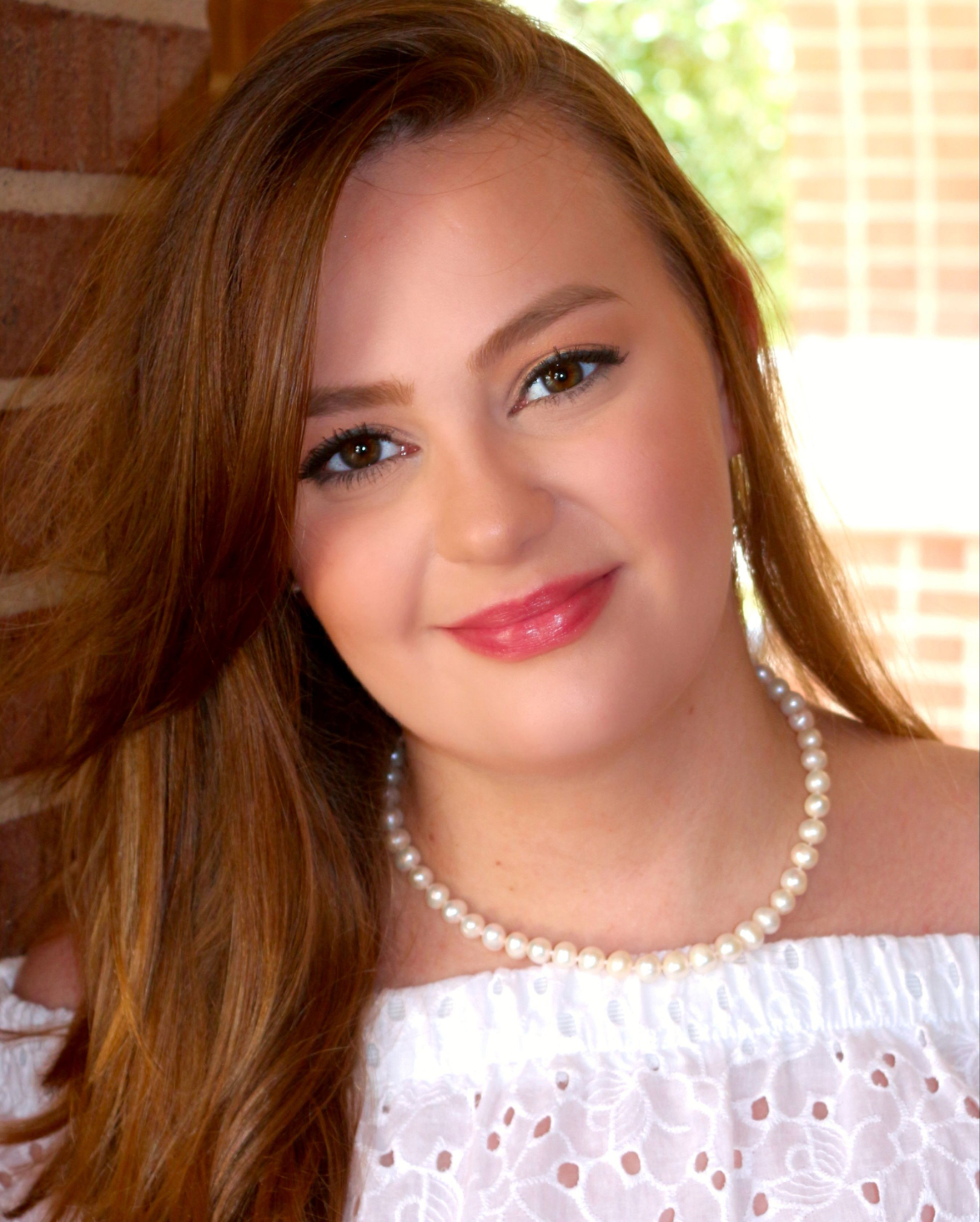
NeoBilities is led by Tessa Bathauer, LMSW — a disability consultant and educator who helps helping professionals turn accessibility and inclusion into better client outcomes and more impactful services.
Tessa holds an MSSW from The University of Texas at Austin, with portfolios in Critical Disability Studies and Nonprofit Management, and draws on lived disability experience to bridge compliance requirements and real-world practice across healthcare, mental health, education, and human services. She has presented at the NASW National Conference and the Network for Social Work Management Annual Conference, and guest lectures for social work and healthcare programs.
Tessa Bathauer, LMSW
Founder & Lead Consultant, NeoBilities
— WHAT DISABLITY INFORMED MEANS
Access in mind from the start
Disability-informed means recognizing disability as a normal part of human diversity and building services, systems, and professional practice with access in mind from the start.
It means noticing barriers early, improving how people are served, and making room for disabled people’s perspectives in the decisions that shape care, programs, and organizations.
— READY WHEN YOU ARE
Start with the quiz and find your next best step
Take the quiz, get your score, and see the next best step for your context — whether that’s the self-paced course, an accessibility audit, or a conversation about your team.
— FROM THE BLOG
Latest disability insights
Expand your understanding of disabilities and gain valuable insight on disability topics.


Not Sure Where To Start?
Find out instantly
Take our free quiz and get your personalized accessibility score plus quick tips to improve your service delivery.