
ABOUT NEOBILITIES · DISABILITIES REIMAGINED
Let’s make room for everyone
NeoBilities helps therapists, counselors, social workers, and the organizations they work in rethink how disability is understood and build practices, programs, and services that work for everyone they serve, including people who never disclose their disability.
Led by Tessa Bathauer, LMSW, a social worker with lived disability experience.

● Social-work-informed assessment ● Whole-journey accessibility and inclusion ● Prioritization and implementation
— WHAT WE’RE HERE FOR
See differently. Build differently
Disability shouldn’t be something a client has to announce before a service works for them.
— Why I started NeoBilities
Closing the gap between intent and practice
I started NeoBilities because I kept seeing the same gap. Disability was treated as a side issue, an accommodation request, or a compliance problem, rather than something that shapes how systems are designed from the start. At the same time, many professionals want to do better but are left guessing what disability-informed practice looks like in day-to-day work.
I also saw disability reduced to a diagnosis, leaving out the relationships, environments, cultures, and systems that shape people’s lives. That narrow view can create new barriers and reinforce stigma, affecting both the quality of services and the quality of life for many people with disabilities.
Everyone deserves resources and opportunities that take the full reality of disability seriously. I built NeoBilities to bring together lived experience, social work training, and practical knowledge of how barriers show up in services, communication, events, policies, and organizational systems.
— Meet Tessa Bathauer, LMSW
Licensed social worker,
educator & disability consultant
Tessa is a Licensed Master Social Worker (LMSW) with a Master of Science in Social Work from the University of Texas at Austin. She also has additional study in Critical Disability Studies and Nonprofit Management. Her background spans direct service, policy analysis, advocacy, teaching, professional training, and more.
Her work is also shaped by lived experience. Tessa is deaf and lives with dynamic disabilities and medical complexity. She grew up hard of hearing and found her deaf identity in 2016, within a community that taught her about disability culture and the barriers people around her faced.
Navigating healthcare, work, and everyday systems with needs that change from day to day shaped how she understands access and inclusion, and led her to social work.
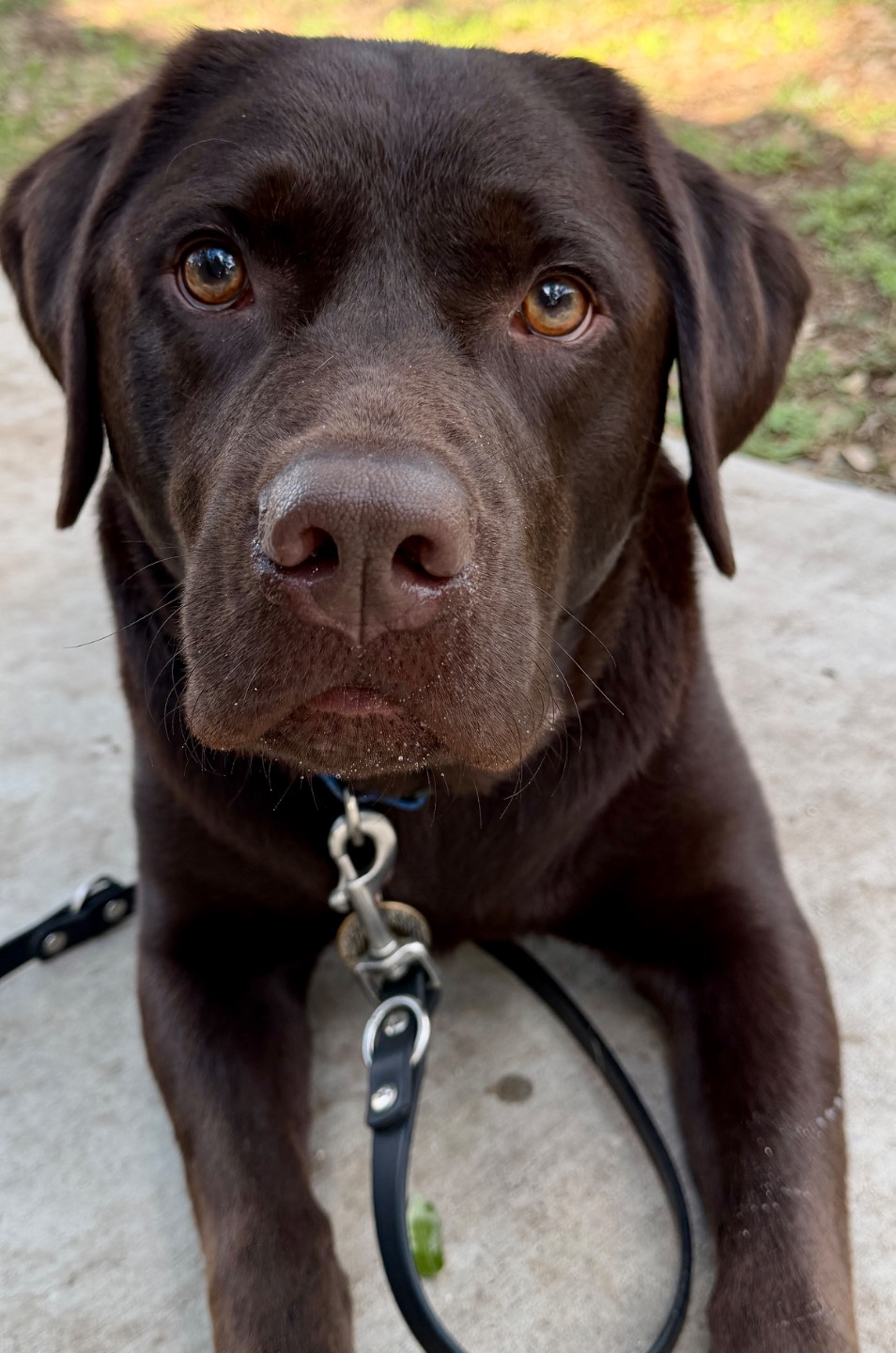
Tessa is also a service dog handler. Her dog, Emrys, is in training as a medical alert and hearing dog and sometimes joins her, giving her firsthand experience with service dog access in everyday settings.
Education and licensure
— WHAT MAKES NEOBILITIES DIFFERENT
More than awareness, more than a checklist
Many approaches look at one piece, like a website or a single training. We look at the full experience people have with a practice or organization, and help you decide where to begin.
Social-work-informed assessment
We look at the client, their surroundings, the people they interact with, and the systems in your organization. We consider how all these factors shape the client's experience and access, then develop practical ways to make things better for them.
Disability-informed practice
We consider disability throughout the client experience, not only when someone requests an accommodation. We draw on multiple models and theories, which means we anticipate a wide range of needs and design environments and services to be accessible from the start, not just when barriers are identified.
Whole-journey accessibility
We look at every stage of the client experience: how people find you, book, communicate with you, take part, and stay connected after sessions. Looking at each step helps you build accessibility into the whole journey, not a single moment.
Prioritization and implementation
We help you decide what matters most and turn findings into practical actions. Recommendations fit your workload and resources, so accessibility becomes part of your routine instead of an added burden.
Frameworks and theories we draw on
— Proven in the field
Trusted by organizations
across Texas & beyond
Trusted by organizations including Baylor College of Medicine, Texas State University,
Jewish Family Service, and the Hogg Foundation for Mental Health.
NASW
National & NASW/TX
conference presenter
UT Austin
MSSW · Critical Disability Studies & Nonprofit Management
DSWU
Founder, Disabled Social
Workers United
— Ready when you are
Ready to build disability
competence that makes a difference?
Start with the free quiz, or reach out to talk about training,
audits, and consulting for your team.